How to Shop in Budget

Simple habits that keep shopping practical, intentional, and under control.

1) Make a list first

Start with must-haves and assign a max USD price per item before you browse.

2) Compare smartly

Check quantity, durability, and unit value-not just the sticker price.

3) Avoid impulse triggers

Pause 24 hours for non-essential buys. Most impulse items lose urgency fast.

4) Track totals weekly

A short weekly review makes monthly spending easier to correct.
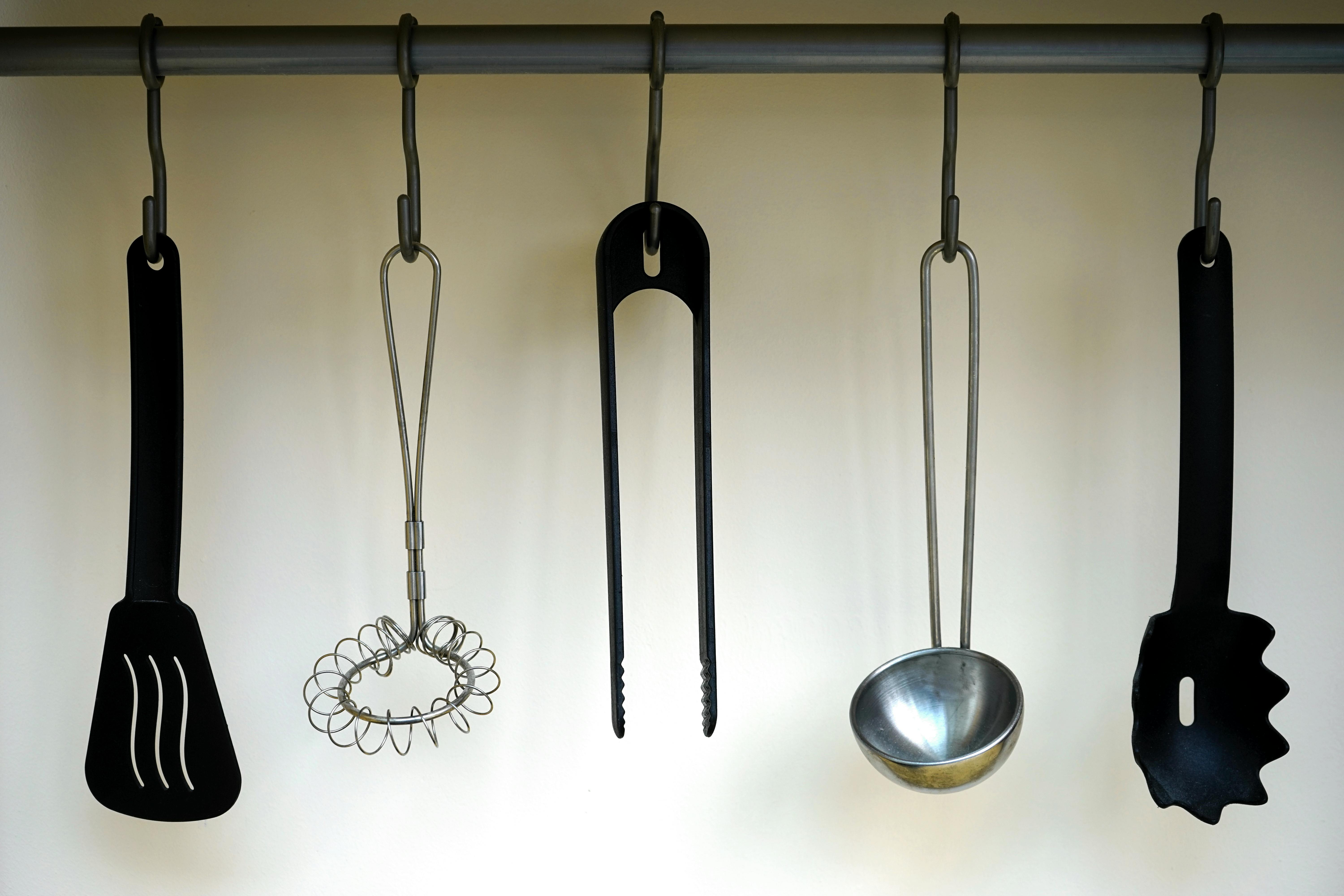
Budget kitchen tools used for everyday cooking Organized home storage bins on shelves

Budget Planner

FAQ

At least once weekly, especially after price changes and seasonal needs.
Start from your monthly limit divided by four, then adjust after two weeks of tracking.
Only when storage, expiration, and actual usage make bulk cheaper over time.
Keep a simple home inventory for essentials before placing new orders.
Not always. Check quality and expected lifespan against slightly higher options.
Use 3-5 categories so tracking stays consistent without becoming a chore.
Update the plan weekly and swap alternatives in the same price band.
Use a separate upgrade bucket and spread the cost over multiple weeks.
Yes. Prioritize high-use items first and compare value over pure lowest price.